
By KMedTrip editorial · Updated · Written with AI assistance · Reviewed by KMedTrip native-speaker review team
This guide is general information, not medical advice. KMedTrip is run by a government-registered foreign patient facilitator (an agency that helps international patients arrange medical care). We do not recommend, rank or receive payment from any hospital or clinic.
Key takeaways
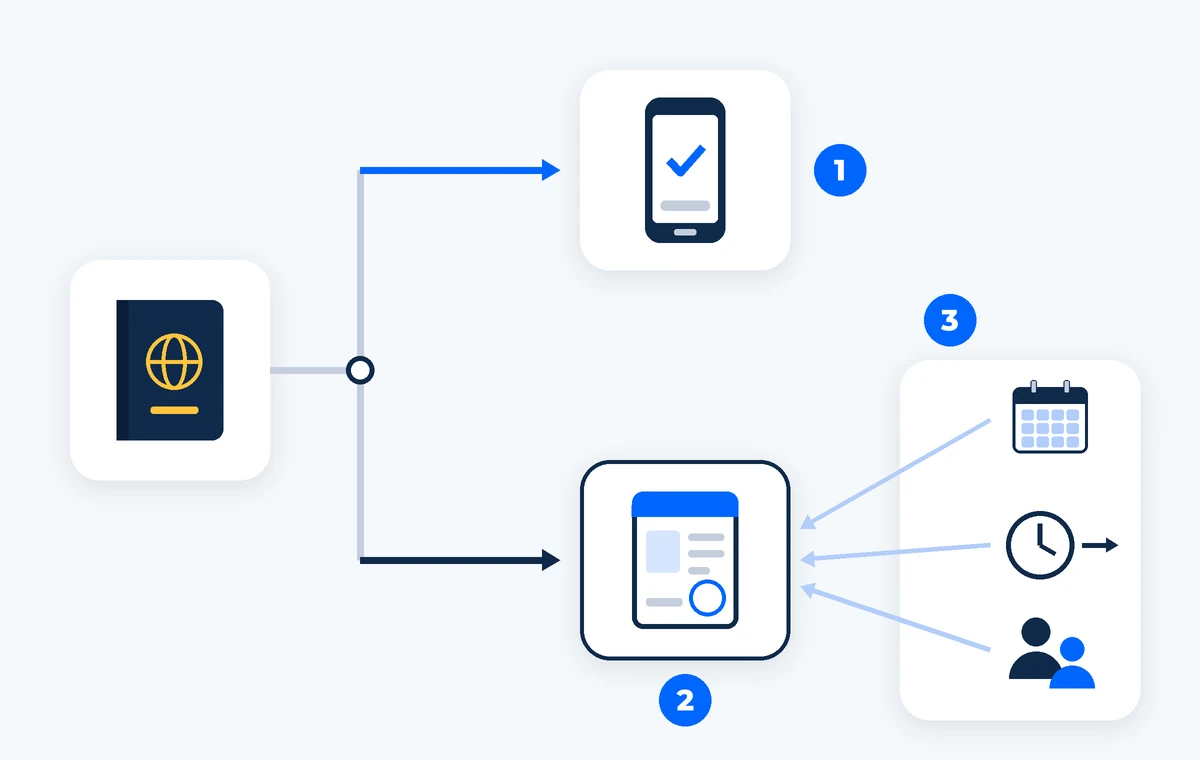 Figure 1. Visa or K-ETA? ① Visa-waiver country: usually K-ETA. ② Visa-required country: medical visa (C-3-3). ③ Consider a medical visa: long treatment, longer stay, caregiver.
Start with your passport. Then follow these steps.
| Your situation | What you usually need |
|---|---|
| Visa-waiver country (you can visit Korea without a visa) | Usually a K-ETA (Korea Electronic Travel Authorization) before you fly. Some nationalities are exempt from K-ETA until 31 December 2026 (K-ETA notices via Korean embassies, as of Oct 2026). See our K-ETA guide. |
| Visa-required country | A visa. For medical travel, usually the C-3-3 medical tourism visa. |
Even if you can enter visa-free, consider a medical visa if:
Can you get treatment on a visa-free entry? Medical Korea lists visa-free entry as one way to come for treatment. The Korea Tourism Organization also describes patients who visit hospitals after entering visa-free, and warns about long hospital stays. The K-ETA website lists tourism, visiting family or friends, events or meetings, and business as purposes, and does not name medical treatment. That alone does not mean treatment is banned, but it also does not confirm your own case. Each country’s visa-waiver agreement can also have its own limits (K-ETA, Medical Korea and VISITKOREA, checked Oct 2026). Before you travel, ask the Korean embassy in your country whether your treatment and length of stay fit. This matters most for long treatment, a hospital stay or a major procedure.
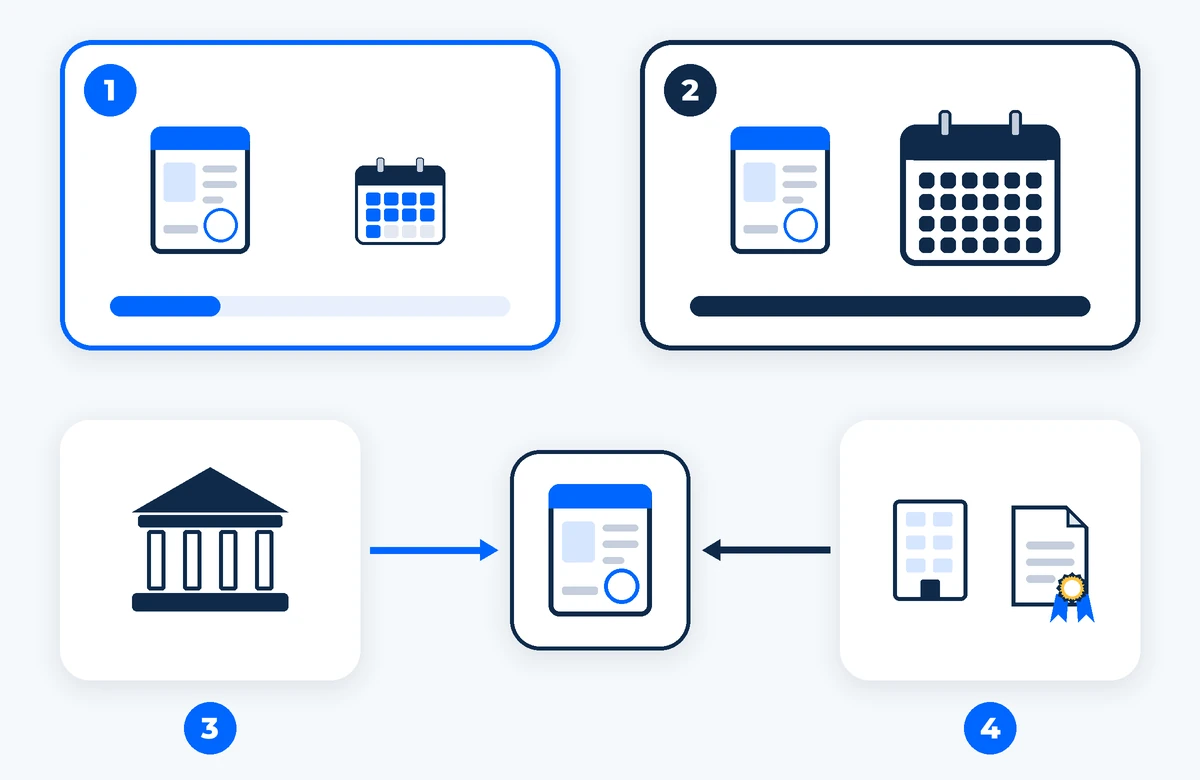 Figure 2. Two medical visas and two ways to apply. ① C-3-3: short-term, 90 days or less. ② G-1-10: long-term, up to one year. ③ Apply at embassy / consulate / visa center. ④ Or via inviting registered institution or facilitator.
| C-3-3 (medical tourism) | G-1-10 (medical treatment) | |
|---|---|---|
| Length of stay | 90 days or less | Up to one year |
| Typical use | Shorter treatment or recovery, including cosmetic procedures | Longer treatment or rehabilitation (recovery therapy) |
| Source | Medical Korea, as of Oct 2026 | Medical Korea, as of Oct 2026 |
A close family member (usually a spouse or child) who comes as a caregiver can also apply, with proof of the relationship (Medical Korea, as of Oct 2026).
The Korean Embassy in Singapore says a C-3-3 visa is valid for 3 months from issuance. You must enter Korea within that time (Embassy in Singapore, as of Oct 2026). A C-3-3 visa is usually single-entry (you can enter once). It allows a different number of entries only if the visa says “double” or “multiple” (Korean Embassy in Indonesia, as of Oct 2026). Rules can differ by embassy, so check with yours.
The Ministry of Justice names some top-performing facilitators and medical institutions each year. From 1 October 2026 to 30 September 2027, 112 organizations are on this list (Ministry of Justice Notice No. 2026-413). They can apply online for an e-visa (C-3-3 or G-1-10) for the patient they invite and a caregiver, through visa.go.kr. The Ministry says the e-visa is usually issued within 3 days, and some financial documents can be skipped (Korea Visa Portal; Ministry of Justice, checked Oct 2026). We did not find an official list of which nationalities can use this e-visa. Ask the inviting organization whether it works for your passport.
 Figure 3. A typical C-3-3 document checklist. ① Application form and photo. ② Passport (6+ months valid) and copy. ③ Medical documents. ④ Appointment confirmation. ⑤ Institution / facilitator registration documents. ⑥ Proof of funds. ⑦ Proof of employment or study. ⑧ Proof of residence. ⑨ Caregiver relationship documents.
Each embassy publishes its own checklist. Always use the list from the embassy that handles your country. This typical list is based on the Korean Embassy in Singapore and Medical Korea (as of Oct 2026):
Documents not in English or Korean may need a certified translation. Ask the embassy.
About tuberculosis (TB) tests: some countries’ citizens need a TB test result for visas of more than 90 days. For a C-3-3 visa of 90 days or less, it is usually not needed (Korean embassy pages, checked Oct 2026). Ask your embassy to be sure.
The visa fee depends on your nationality, the number of entries and the embassy. There is no single worldwide fee. For example, the Korean embassies in Moscow and Bishkek list USD 50 for short-term visas, including C-3-3 (embassy pages, as of Oct 2026). A visa application center may add its own service fee. Check the official fee list on your embassy’s website before you apply.
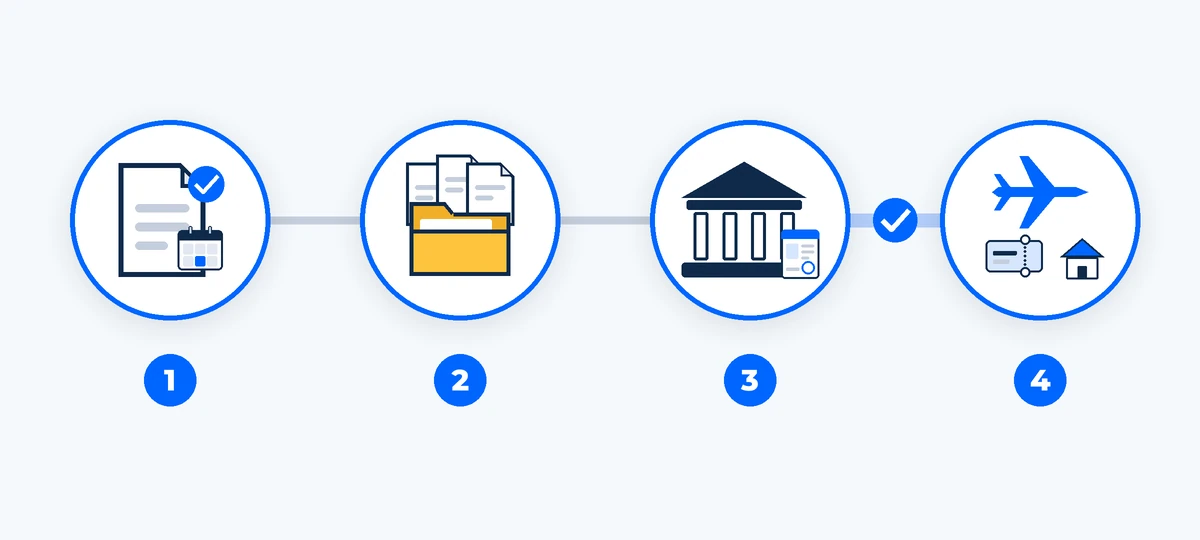 Figure 4. A safe order of steps. ① Confirm appointment in writing. ② Collect medical and financial documents. ③ Check embassy checklist and apply. ④ Book non-refundable flights after approval.
Processing time varies by embassy and season. For example, the Korean Embassy in Singapore lists 8 working days, with no express service (Embassy in Singapore, as of Oct 2026). Other embassies may take longer. Plan for at least a few weeks between starting your application and your flight.
| Step | What to do | Where |
|---|---|---|
| 1 | Get your appointment confirmed in writing | The Korean medical institution |
| 2 | Collect medical records and financial documents | Your doctor and your bank |
| 3 | Download the current checklist and apply | Your Korean embassy, consulate or visa center |
| 4 | Book non-refundable flights and hotels | Only after your visa is approved |
What is the difference between C-3-3 and G-1-10? C-3-3 is for stays of 90 days or less. G-1-10 is for longer treatment, up to one year (Medical Korea, as of Oct 2026).
I am from a visa-free country. Do I need a medical visa? You may be able to enter visa-free for a hospital visit if you meet the entry requirements for your nationality and the permitted length of stay. Before you travel, confirm with the Korean embassy that this is suitable for your treatment and recovery plan, including any caregiver. Longer treatment or an extended stay may require a medical visa.
How long does a C-3-3 visa take? It depends on the embassy. The Singapore embassy lists 8 working days with no express service (as of Oct 2026).
How much does the visa cost? It varies by nationality, entry type and embassy. For example, USD 50 at the Moscow and Bishkek embassies (as of Oct 2026). Check your embassy’s official fee list.
Can a family member come with me? Yes. A close family member can apply as a caregiver, with proof of the relationship.
Can I book flights before I get the visa? Book only refundable tickets, or wait. Book non-refundable flights after approval.
If you’d like help planning, you can talk to a coordinator.